Obsessed Film Opening
CCR Video 1: Questions 1 & 2
Obsessed Film Opening
Hello to my blog!
I can hardly believe it, but my film opening is finally done! After weeks of intense work, long nights, and way too much caffeine, I’m proud to say that it’s all come together. Looking back, it’s been a wild ride, and while it wasn’t all easy, I’ve learned so much throughout the process.
Hey blog!
I worked on my second CCR today and it went smoothly!
Since the "actors" I used have no experience whatsoever with these elements, it surprisingly went amazing. After filming my CCR scene, I jumped into post-production, where the real magic began. The first step was organizing the footage, going through all the takes to find the best ones. Since the conversation was pretty on the spot, I realized there were a lotttttt of moments to trim—like when we laughed, fumbled over words, or had awkward pauses—to keep the flow natural and fast-paced. And trust me, I had a bunch of these bloopers (but they were hilarious!).
Once I had the best clips, I pieced everything together. I focused on cutting unnecessary pauses and ensuring that reactions lined up correctly to keep the conversation engaging. Since there were no sound effects or background noise, I relied on visuals to complement the discussion. I added images, short clips from the movie, and text overlays to emphasize key points. For the final touches, I polished the visuals, making sure everything was clear and sharp. Post-production turned my simple idea into a polished, engaging video, and I’m proud of how it all came together. By adding visuals and trimming the footage, I was able to create a fun and dynamic CCR video that truly reflected my creative thought process.
Hey guys! Happy Tuesday!
I gave you guys a sneak-peek into my potential CCR videos. Instead of going with something generic, I decided to make my CCR interesting and fun to make. I truly think this can reflect my creative thought process and illustrate what went through my head as I made this film. For my first CCR, I decided to not yap awkwardly while staring at a camera, but instead I will be answering questions... after I crashed my car.
So, as a way to insure everything goes smoothly, I made a script which I will present to you guys!
Hey blog, happy Friday!!
The last CCR is the main focus of today's blog. The question, "How did your production skills develop throughout this project?" can be broken down into two main parts:
Production skills – This covers all the components involved in making a film, such as filming, editing, sound design, set design, and problem-solving.
Development – This focuses on how my skills improved throughout the process and what new things I learned that I didn’t know before.
At the beginning of this project, I had some experience from previous filmmaking and television production classes, but it had been a while since I had worked on a film project. I had mainly followed assignments before, but now, I was given the freedom to create something entirely from scratch. This meant I had to not only revisit old techniques but also develop new ones to align with my vision for this specific story.
Set Design and Prop-Making: One of the biggest shifts in my production skills came in set design and prop-making. In previous projects, I worked with whatever props and settings were available, but for this film, I had to carefully plan and create props to match the theme of a drama/sport film. I had to pay attention to even the smallest details to ensure everything was aligned with the gymnastic world Gianna lived in. For example, I designed and arranged gym equipment and props that would help set the tone of the film and showcase the gymnast's dedication. I learned that set design isn’t just about filling space; it’s about creating an environment that tells a story and adds depth to the film.

Filming and Cinematography: Filming itself was another area where I really pushed myself. In the past, I was mainly focused on getting the basic shots, but this time, I had to pay closer attention to framing and angles to convey the right emotions. The film required capturing intense moments of gymnastic routines, and I had to make sure the camera movements reflected the energy and determination of Gianna. For instance, I learned how to use dynamic camera angles to emphasize the gymnast’s movements and to showcase her emotional journey. I also became more aware of lighting and how it can dramatically affect the mood of a scene.
Editing: My main editing technique was to be focused on the pacing. The film needed to feel fast and intense during the gymnast’s training sequences, but I also wanted to slow down during her moments of contemplation and self-doubt. I experimented with how to transition between fast-paced training scenes and slower, more intimate moments. This was a challenge, but it helped me refine my editing skills. I learned how to manipulate the pace of the film to reflect the emotional highs and lows of the Gianna’s journey.
This project allowed me to grow in so many ways, from learning new techniques to becoming more independent in my decision-making process. Even though this can be tedious at times, it truly can teach me a lot. Have an amazing weekend everyone!!
Hello blog!
CCR question number 3 is in progress! Since the last two questions pertained to a new video, I decided to make another storyline for the CCR. I would be taking a test in school and ask I read the questions on the paper test, in my mind I read it out loud. And I answer them... in my head! The question asked will be "How did you integrate technologies – software, hardware, and online – in this project?".
This question is has various parts to it and of course I will discuss them! It’s asking how technology was used throughout the entire process of creating my film, from the pre-planning stages to the final editing. It covers everything from the physical tools I used, to the software that helped put everything together, and the online resources I relied on. Technology played a huge role in this project, and here’s how it helped me bring the project to life.
Hardware: For the hardware, I used a combination of tools to get the best shots for my film. The majority of the filming was done using an iPhone 14 and an iPhone 13. The iPhone worked well because of its high-quality camera, especially in the gym setting where there was good natural lighting. It gave me clear, crisp footage, perfect for capturing the fast-paced moments of the Gianna’s training. However, for more specific shots, like extreme close-ups of the protagonist’s focused expressions or text message notifications, I used a Nikon d3100 camera. Although this camera is more suited for photography, it was essential for those moments when I needed ultra-clear shots. In a yellow-lit room, the d3100 helped prevent pixelation, ensuring the text message scene came out sharp and readable. Both the iPhone and the Nikon camera worked well together to capture the different types of footage required for the project.


Software: When it came to editing, I used Adobe Premiere Pro. I took a class in television production last year, and I’ve been using it ever since (even though I swore I would never need it). It's filled with various and fulfills each one of my needs for this project. Premiere Pro allowed me to control the pacing of the film, ensuring it stayed fast and engaging, which was important for keeping the intensity up during the gymnast’s training sequences. It also gave me the flexibility to make adjustments to the tone and structure of the film, allowing me to emphasize Gianna’s determination in the way I imagined.

Audio: For the audio, I relied on Pixabay for background music and diegetic sounds. Pixabay was a great resource because it offered free-to-use music and sound effects that I could layer without worrying about copyright issues. I used different background tracks to match the emotional tone of the film, whether it was the intense moments during the gym training or the quieter, more reflective scenes. I also found specific sound effects to match the actions on screen, like the sound of the gymnast’s feet hitting the floor or the buzz of a text message notification. Layering the sounds carefully really helped to set the atmosphere and complement the visuals. Using a resource like Pixabay saved me time and allowed me to focus on creating the right mood without worrying about any legal issues related to copyright.
Online Resources: Throughout the whole process, I turned to YouTube as a vital online resource. From learning new editing techniques to understanding how to create the perfect sport drama, YouTube was amazing for research. I watched tutorials on everything from sound design to pacing in sports films. There were so many helpful videos that guided me through challenges I encountered while editing, and I even found tips on how to improve my cinematography. YouTube also provided insight into specific aspects of editing sport dramas, which helped me maintain the right tone throughout my film. Whether I needed help with a particular effect or just wanted to see how other filmmakers tackled similar scenes, YouTube was a go-to resource.
Looking back at the entire production process, it’s clear how integral technology was at every stage of making my film. From the hardware I used to film the project, to the software that allowed me to edit, and the online resources that taught me along the way, technology was essential to bringing everything together. By carefully choosing the right tools and combining them effectively, I was able to create a film that captured the essence of the gymnast’s journey to achieve her dream. Technology played a key role in not only making the production process smoother but also in helping me achieve the creative vision I set out with.
Hey guys!
Today I will be reviewing the progress for the second CCR question. As I may have said before, there are two videos for the total of 4 questions. So per video, two questions will be asked (and answered). The last time I discussed the first CCR question, I didn't really have an idea of how I can display my creativity. Basically the main idea is me getting into a car crash and in order for me to stay conscious, the doctors and people around me ask questions. However, the questions are over the film process (pre and post production) and I'm super confused but I answer them either way (in order to stay conscious).

 These festivals attract film enthusiasts who appreciate stories that mix personal ambition with athletic achievement. Plus this is realistic. I can't sell this product to Universal Pictures as my first film. So, gaining recognition at these events could help build a dedicated audience and catch the eye of distributors or streaming platforms. Aside from festivals, I’d also look to release my film on small movie theaters in lowkey places. These platforms are widely accessible and give independent films a global reach. Later, as the film expands, streaming companies such as Netflix, Hulu, Disney+ and many others would be a possibility. Streaming allows viewers from all over the world to connect with the film, no matter where they live, which is key to reaching as many people as possible. The way I would market the product for distribution would be heavily through social media. Social media would play a huge role in getting the word out in an amateur way. Teasers, behind-the-scenes footage, and even clips of the gymnast pushing through tough moments in training could be shared on Instagram, TikTok, and YouTube. These platforms can help build a fan base before and after the film’s official release. However, I will make it clear, social media will be the marketing in order to promote the distribution.
 Hey blog!
Today we had our second group discussion with my class today for AICE Media Studies. My group consisted of 5 (including me) and we really went into depth about our projects and how we plan to execute each and every idea. I'll be going through each group member individually and dissecting their planning/project as well as the blog. Here's my group!!

I shared a (pretty crazy) CCR Idea. Basically the main idea is me getting into a car crash and in order for me to stay conscious, the doctors and people around me ask questions. Butttt, the questions are over the film and I'm super confused but I answer them either way (in order to stay conscious). It will be a little tricky to illustrate a car crash, especially considering the fact I don't have a car... Nonetheless, my creativity will be shown, so I must do whatever I can. Plus, I showed what I have for the project and I'm so happy to sayed they really liked it. Vicente claimed that the editing was really good. David said everything was amazing, but the font for the title didn't really match what was going on.
Unfortunately, Vicente and Gabriel have not edited their projects although, they have filmed some videos. Me, Samia, and David didn't have much to discuss for their blogs as they also haven't posted anything whatsoever. The entire group unanimously warned them to make sure to film and edit before there isn't enough time. I also directed them to start posting more blogs and to make sure to let the progress be shown.
David has almost everything done and is now going through the post production phase. His project consists of a serial killer that opens a death bag however, when the detective inspects the body, a note is in his hand. When the detective opens the note it says, "Don't trust him". He has no idea as to what his CCR will be, but he's thinking about doing a cooking show and answering questions as he cooks. Overall, I really like the project that he has in mind.
These group discussions with people other than the individuals I'm working with, allow me to view everything in a new lights. See you all soon!
Hey everyone!
Since I am dissecting mostly over the post-production for right now, I will be doing the CCR individually for my Cambridge portfolio. CCR stands for Creative Critical Reflection. This consists of reflection over the entire production and of course the film opening itself. There are four questions that this video should display. But of course, I will be breaking it into smaller chunks to grow and expand the consideration into this.
The first question for my CCR is: How does my film use or challenge conventions, and how does it represent social groups or issues?
Well, this question is crucial for reflection, because it makes me consider how we used or went against the typical rules of the genre we’re working in. It also makes me reflect on how our film opening represents different social groups or important issues. For the conventions, we stuck to some traditional aspects of the genre but also added our own twist. For instance, we chose to start our opening jumping straight into action. We see Gianna doing her tricks in the gymnasium, to display and illustrate her lifestyle. However, to defy the norm that gymnasts are usually super organized, my group demonstrated her to struggle with school and her life at home.

What's up blog!
As much as I'm oozing with good things about this project, I'll let you guys in on the less exciting details. I will be real with you guys and give you a debrief on how our progress is going (the good, the bad, and the ugly).
Even though I try to stay positive, often times it's also good to show how I overcame obstacles with my group. To start with the not as bad complaints, for the group discussion I had with my group, Candelaria wasn't able to attend school since she wasn't feeling well and so we didn't know how she felt over the topics we discussed. Also in that class, the WiFi was off the first hour of class, so we couldn't interact with our editing tools, but the other 30 minutes we were free.
Now, onto some of the bigger hurdles. One major challenge my group was syncing our footage with the diegetic sound we chose. On the other hand, the foley we had to recreate once again to match up correctly with the clips. I started searching up videos on what foley is (again) to see what I could perfect. I stumbled upon this video, and for the most part it really helped. Here's the link!
https://youtu.be/XixUWuvvYKM
Although with the diegetic sound, we still are having issues with that, but with each group discussion, we tackle the obstacle little by little! For the most part, it makes it easier to know that this is a common issue and it's not just our group dealing with this. Although I will admit it is a pain in the butt.

I've been noticing that with a little creativity and some persistence, you can always find a way around the obstacles. I’m proud of how far we’ve come and can’t wait to see where we end up!
Hello to my wonderful blog!
Since the last blog I made, I decided to get started with editing. Although, spoiler alert I need to get used to Premiere Pro. On my last project I used iMovie, so this is a drastic change. I started watching some YouTube videos and asking some friends from the production class in my school over tips for this technology soooo for the most part (hopefully) I understand it.
Another technology I've been playing around with is fonts! Since font is another simple way to illustrate a story, last class, I had a group discussion to pick out the perfect font. And after 30 minutes we decided upon Shockwave for the title (that's the font name, not our title name) and for the credits credits, Ragelo Demo. For now these are just random words that sound weird. But I promise this will all fall into place after the editing but it's still worth mentioning how even the smallest details take a lot of consideration.
Anyways, back to the technology, Premiere Pro is definitely a step up from the tools I usually use. It’s a bit confusing, but also really cool to learn.

Right now, I’m focusing on picking out the clips I want and cutting them down to the parts I need. It’s a bit of work, but progress is progress. I’m planning to finish the rest of filming by next week so I can really dive into editing.
It feels like a lot, but I’m taking it one step at a time. I’m excited to keep learning and make this film come together!
Hey blog! I hope you had an amazing day so far!
As you all know, I filmed at TAG USA with my group! Now, we get to the most vital part of the project: editing. Even though this is super important, I dread editing so much.
Editing has literally always been the part of filmmaking I struggle with the most. Even though this falls between the post-production line, as I said, it's super crucial to the film. While I understand its importance, it's hard for me to get fully into it and enjoy it. I don’t have the patience to experiment with different techniques, and I sometimes find it difficult to manage all the systems involved. However, I know that taking the time to edit properly will make the final product much better.

What's up guys!
We FINALLY recorded in the gym, and it was an amazing experience! TAG USA offered a huge, open space that allowed us to capture the perfect shots for our project. For every scene, we experimented with different camera angles and setups, making sure to try out various options to get the look we wanted. Each person in the group played a role in helping execute the vision for the film, whether behind the camera or in front of it. When it came to the gymnastics stunts, Arianna, Candelaria, and Oona took charge and did an incredible job performing the tricks. They were really brought energy to the shoot and of course as always with their 110%! We rotated between filming and capturing the shots, making sure to get the best shots possible illustrating action. Below, you can see some of the photos I took during the shoot while we were all working together. It was super amusing and exciting (these photos don't show how fun this all was).


For the stunts, Oona and Candelaria wanted to shoot these scenes as the "stunt double" however, whenever we wanted to include a face, Arianna would be recorded with her full body and face being shown. Overall, this was a collaborative process and we couldn't have filmed this without everyone present. Bye guys see you soon!!
Hello to my favorite Cambridge people!
Today I will discussing more about our film process! My group and I FaceTimed each other in order to discuss how we want to move further into our project. We focused on the sound elements of the production. As we were about to finalize our work, the group decided to split up each element. Candelaria would focus more on the foley sound effects (however we made it clear if she stumbles on anything we would be more than willing to help), and Oona, Arianna, and I will research sound effects to correlate with the scenes. Also a side note, this topic of sound effects ties in with another blog I made discussing about audio/sounds. I utilized simple terminology so I can fully understand what my job is. This is the list I have to research:
Ambient sounds: Velcro ripping, car engine, car door closing, car driving/sounds, car doors being locked, car door opening. At home scenes: papers rustling, marker writing, going upstairs, and opening door.

Hello y'all!
My group finally began shooting for our film opening! We began by shooting "Gianna" which was our group member Arianna, pulling up into her house driveway in her car (which was also Arianna's). An actual camera was brought, but due to the fact it was too dark, the group simultaneously decided to switch it to a phone. For this particular scene, the videos recorded consisted of long shots, low angles, tracking shots as well as various mid shots. The shots of the car varied and the group recorded both long shots along with tracking, to have a more expansive range to choose from when we edit. The tracking shot was utilized for when Gianna was walking up to her house. All of these shots were filmed on a legit video camera, but it was shortly after where we decided to switch gears and film on Candelaria's iPhone camera. Gianna was recorded in her bed, desk, chair, after she placed her backpack down. Also a specific shot in this scene was when we briefly illustrated how Gianna has to go to a physical therapist/doctor to emphasize her injury is serious.
Also a side note, my group tried to not record various shots from behind (showing her back), as this was a problem that caused many points to be taken off from my midterm. Even though I wasn't there physically to help, I gave many notes on how to film more shots and inserts, as well as taking note of what I can do to help. This first day seemed to be a success and I'm really proud of my group so far!

Hey y'all!
I've been talking quite a lot about how important each visual aspect is for filmmaking. Today I want to talk about another vital element in film: audio, sound and music.
I truly feel like the majority of people don't take into consideration how much audio helps in storytelling. In almost every piece of film, audio is involved. This can be dialogue, diegetic sound, nondiegetic sound, sound bridge, score, and foley.
Sound is plays a part in almost every scene in a film. Literally. Almost. Every. Scene. Audio helps the audience understand what’s happening as well as setting the mood, and connect with the emotions of the characters. However, if sound removed is the point, then it fulfills its meaning. But regardless, a movie without sound feels odd and incomplete. It’s not just something extra and random, it’s a key part of how people experience a film.
The main types of sound you'll hear in films would be dialogue, diegetic sound, nondiegetic sound, sound bridge, score, and foley. Dialogue is when characters speak to each other or just having a conversation in general (like a monologue). The way characters express what they say (loud, soft, fast, or slow) can tell us about the emotions they feel in that particular scene and the meaning behind it.

Nondiegetic sound is audio that comes from outside the narrative world, such as background music. Music can help aid in setting the mood, even though the characters inside the film can’t hear it.
In my film opening, I will be using diegtic sounds for when Gianna is well, everywhere. The gymnasium, home, school, walking, drinking water. Whatever it may be. This can be footsteps, sweat dripping, and maybe heavy breathing as she works out. Foley for when her gymnastics bag is placed on the floor, putting her hair up, and even getting into her bed to sleep. For the music, I used this website that me and my group found called Pixabay. This website gives music for when Gianna is working out in TAG. The sound we all chose was one that consists of upbeat drums and claps.
This goes to show how audio is just as important as the visuals in filmmaking. It helps tell the story, creates emotion, and makes the world of the film feel real. Next time you watch a film, I will suggest to pay attention to the sound. Anyways, see you all soon for more updates for my film!
Hello Cambridge people!
For the blog, I will be diving into the important role of filming: setting. This is such a crucial part in telling a story, as well as keeping the context relevant.
Setting for my film opening will have a more profound meaning, considering this is a drama/sport genre. Setting in this case can sort of reflect the mood and help tell the audience more about the inside story of the Gianna's lonely life.
This film opening's setting will take place in TAG USA Gymnasium and Gianna's house (which is my friend Cande's house). TAG is the perfect setting for an opening scene where Gianna's determination and "dedication" take place. It shows her character pushing herself to succeed for her to get into college. On the other hand, Gianna's house could reveal a more personal/relatable side of the Gianna, with the home representing the absence of warmth and tension and conflict with her low grades. Then, there’s Gianna Diaz’s dream college, where Gianna imagines herself succeeding in gymnastics. This setting is now a symbol of hope and ambition, where her dreams could become a reality in the future. All these settings together create a narrative world where we visually see Gianna's struggles, ambitions, and realities come to life, drawing the audience deeper into the story.


I think setting goes hand in hand with props. For instance, with the display of Gianna's bad grades, it illustrates how the context of the gymnasium, she wants to get into a good college by her sport. This truly goes to show how every element in filming is vital in storytelling. Done right, the story can go well! See you guys soon!
Hello blog!
In my previous blog posts, I’ve shared that this project will focus on using props to help tell my film's story. Before I describe the props I’m using, I want to briefly talk about what props actually are.
Props are objects that actors use in plays or movies to make the story feel real. These objects can be anything from something small, like an earring, to something big like a couch. I learned that props have been around for a long time, even in ancient Greece, the Renaissance (think Shakespeare), and the Middle Ages. Back then, props were often related to things like war, swords, guns, and masks. As television and theater progressed and grew, props continued to develop, helping to illustrate stories in a more exciting way. In my film opening, props will be a tool to bring the story to life.
For instance, in one scene set in a gym, I’ll use tiger paws, grips, a handbag, chalk, headphones, and a headband. This gym will look something like this.

Hello to my blog!
As we moved into Week 4 of our project, my group decided to focus on developing our main character.
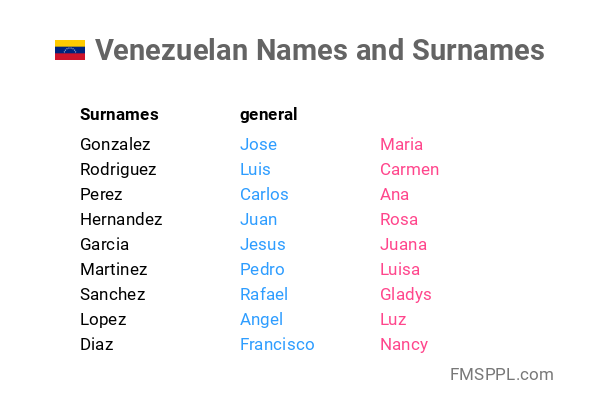
The title of our film is Obsessed, and it really fits Gianna’s personality. She’s stubborn, dedicated, and very disciplined, but mainly only when it comes to gymnastics. However, she doesn’t care at all about school and has straight F’s. Ironically, she dreams of going to college, but the only way she can get there is through gymnastics. She trains constantly and doesn’t have any friends or a social life. Gymnastics is her world, and nothing else matters to her.
As my group started to create the storyboard, we had to create elements to prove she only cares about gymnastics. Displaying her F's, but she puts her gym bag on top to illustrate how gymnastics goes over school. There is a saying in spanish that says "Escuela arriba de todo" which translates to "School above everything". And in this case, gymnastics is literally above everything. For props, my group wants to incorporate grips, tiger paws, and head bands to highlight how she is an actual gymnasts.


As time progresses, I hope I can find more and more elements that make Gianna, Gianna. See you all soon!
Obsessed Film Opening CCR Video 1: Questions 1 & 2 CCR 2: Questions 3 & 4